欢迎来到 [中博国际展览官网]
, 进入
2027宁波国际文具展

Guest Introduction

Cui Haigang
General Manager, Shanghai Haishuo Industrial Co., Ltd.

Yang Jun
General Manager, Brand and Market Department, Shenzhen Qixin Group Co., Ltd.
Executive President, Guangdong Stationery Industry Association
Vice President, Shenzhen Arts & Crafts & Gifts Association
Lecturer, MBA Corporate Branding Practice Course, Renmin University Business School
Recipient of the China Advertising Great Wall Award – Annual Best Contribution Figure, often regarded as the "Oscar" of Chinese branding
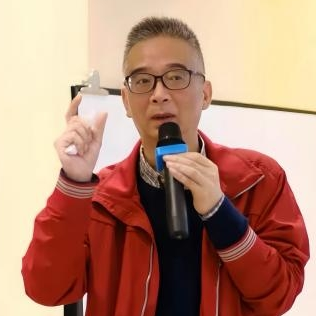
Yang Zhifei
Editor-in-Chief, *Stationery文具+*
1. Data-Driven, Organizational Renewal: Survival and Development of Manufacturing in the Silicon-Based Era
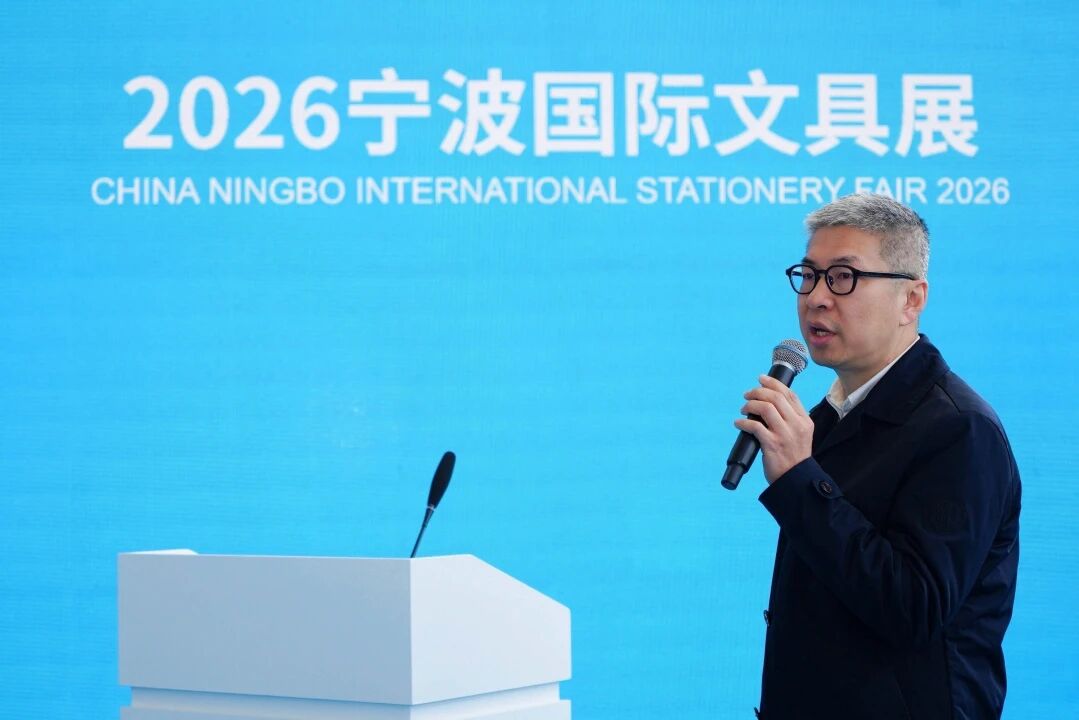
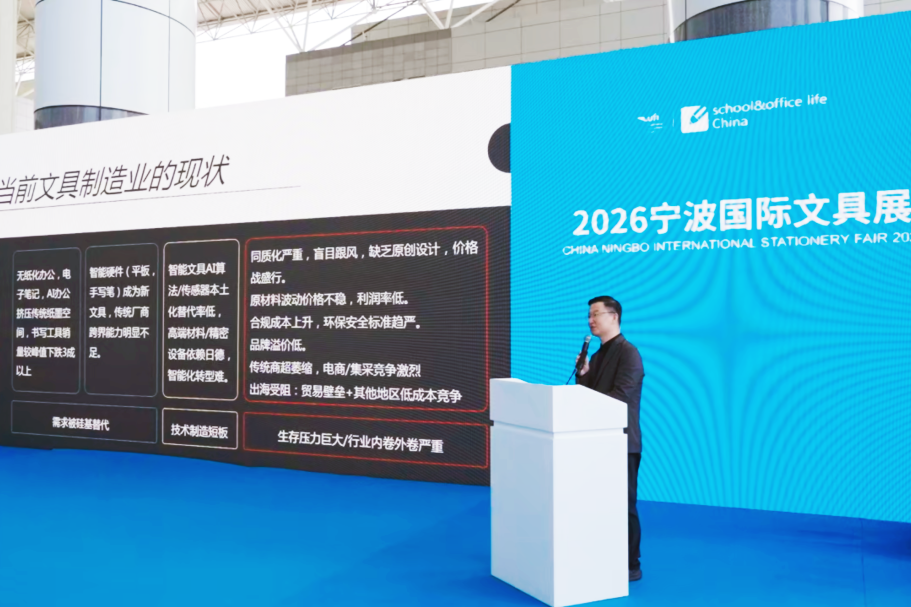
Cui Haigang noted that the stationery industry currently faces challenges such as demand being replaced by silicon-based alternatives, technological and manufacturing gaps, severe survival pressures, and intense competition both within and outside the sector. AI data can empower stationery manufacturing in areas such as demand and product planning, R&D and design, smart factories, and quality management.
Cui Haigang stated: "The silicon-based era is an era where silicon chips and artificial intelligence become the core drivers of productivity. The theme of intelligence is shifting from the human brain to silicon-based intelligent agents, with AI becoming the core production factor for society and industries."
He also highlighted key strategies for enterprises to break through: companies must proactively connect to market/industry data, competitor data, user and customer data, supply chain/industry data, publicly compliant data, and platform/ecosystem data. At the same time, they need to build talent and organizations suited to the silicon-based era. Talent must possess digital-native thinking, cross-sector integration capabilities, adaptive flexibility, AI-irreplaceable creativity and decision-making skills, and collaborative leadership. Organizations must undergo a comprehensive restructuring of architecture, capabilities, processes, and culture, breaking down vertical management to establish a data-centric network model, making data a universal competency across all employees, and driving end-to-end process optimization through user data, production data, and supply chain data.
2. The Internet and AI: Driving Renewal in Brand and Market Operating Models
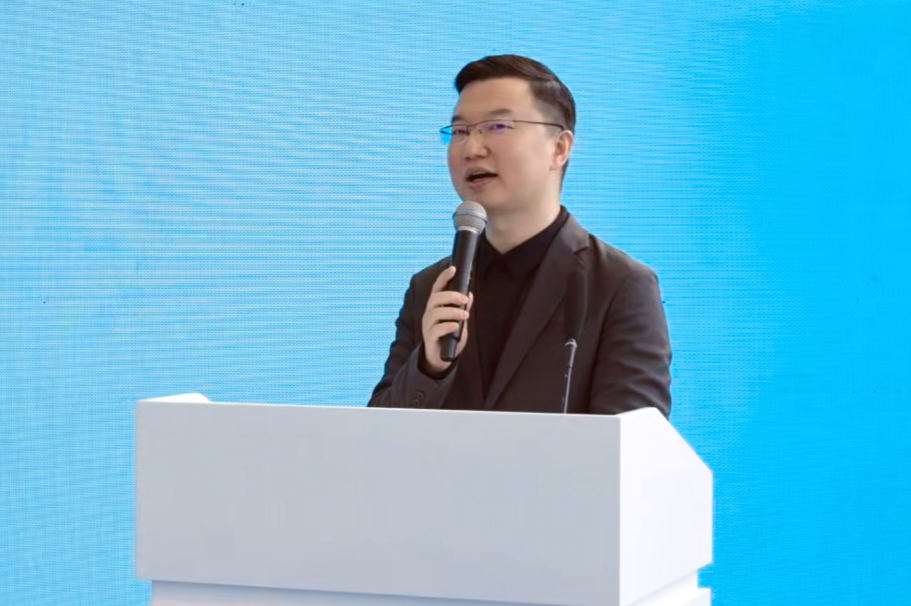
Drawing on Qixin Group’s deep industry experience, Yang Jun shared core insights into the transformation of brand and market operating models in the silicon-based era.
Yang Jun pointed out that the evolution of the Internet and AI is shifting from process digitalization to process intelligence. The industry is experiencing a triple impact: function substitution → access point migration → value reconstruction. The first two layers have already occurred, while the third will determine survival. Companies must adjust their channel and operational strategies in response to market changes, pushing for a comprehensive upgrade of brand and market operating models. This transformation can be achieved through multi-level advancements: intelligent tools, service-based solutions, and ecosystem-based platforms.
At the same time, Yang Jun emphasized: don’t compete with AI on efficiency—compete with AI on warmth; don’t cling to dealer barriers—build customer trust; don’t fear change—fear using old maps to find new continents. Let us together become guardians of learning and work efficiency in the intelligent age, and experience designers for knowledge workers.
3. The Silicon-Based Era Will Redefine the Book and Stationery Industry
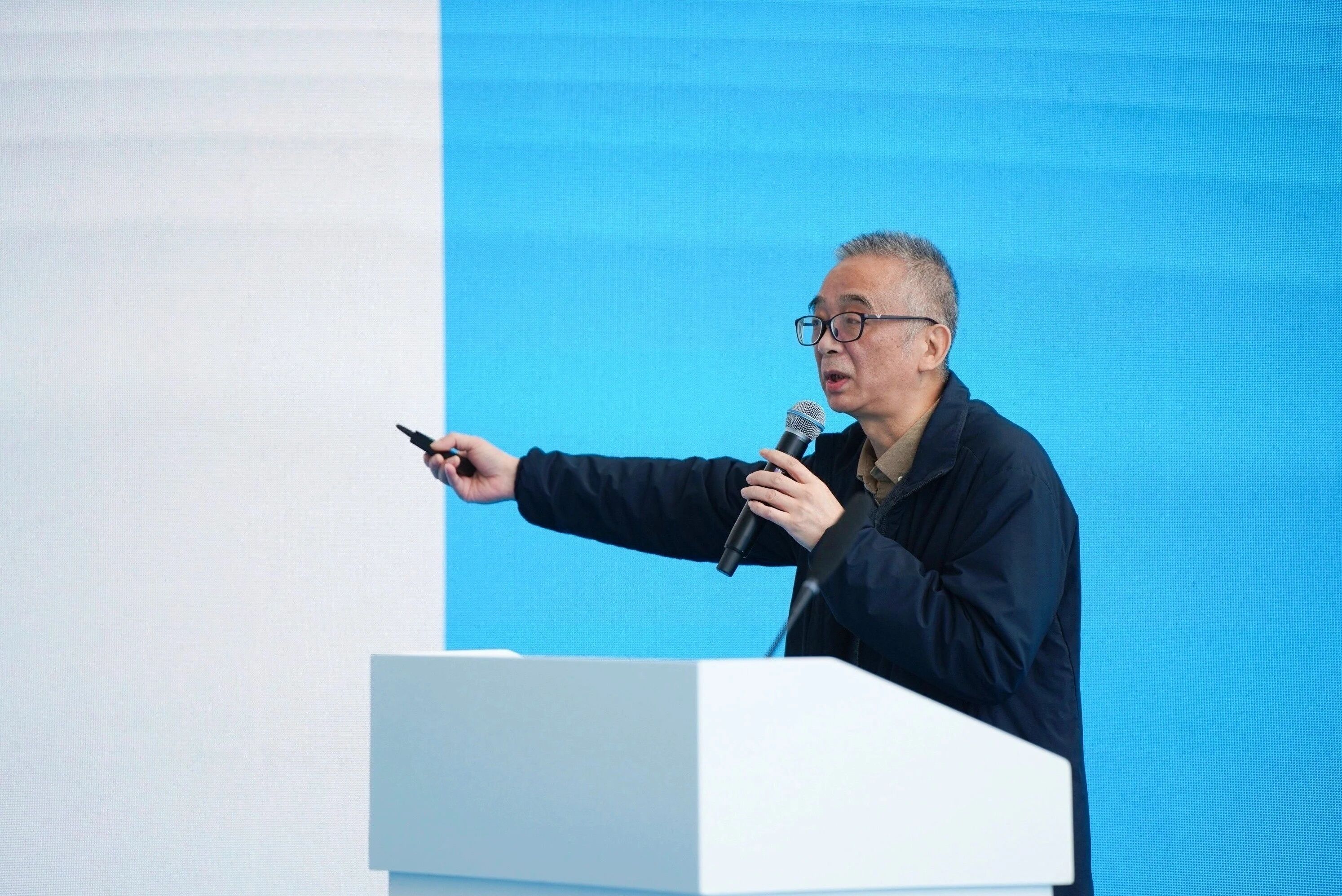
Yang Zhifei opened his speech directly: the "substitution" wave of the silicon-based era is already sweeping across the book and stationery industry. This transformation is quietly taking place across the core dimensions of reading—reading environment, space, medium, method, object, and supporting tools have all changed.
"This transformation directly involves 300 million people on the surface, but in essence, it concerns everyone," Yang Zhifei emphasized. From learning to working, no one can remain unaffected. Trying to solidify printed book reading by resisting mobile phones and electronic devices is clearly going against the tide of history. Just as China’s post-50s, post-60s, and post-70s generations have experienced seven generations of communication tools in less than half a century, we have long grown accustomed to the rapid changes brought by high technology, yet we often overlook that behind all this lies a historical competition of replacement—one that determines survival and elimination.
Yang Zhifei noted that the *15th Five-Year Plan for National Economic and Social Development of the People's Republic of China*, released in March 2026, explicitly includes for the first time the development of new cultural formats such as digital animation, immersive performances, online streaming, short videos, and micro-dramas in a national planning document. Education for all is essential for national rejuvenation, and universal reading is a national strategic necessity. But future education and learning may not necessarily begin with paper (carbon-based). The silicon-based era has arrived, and we can no longer think in terms of carbon-based civilization logic. Actively transforming and embracing the new era is the general trend.
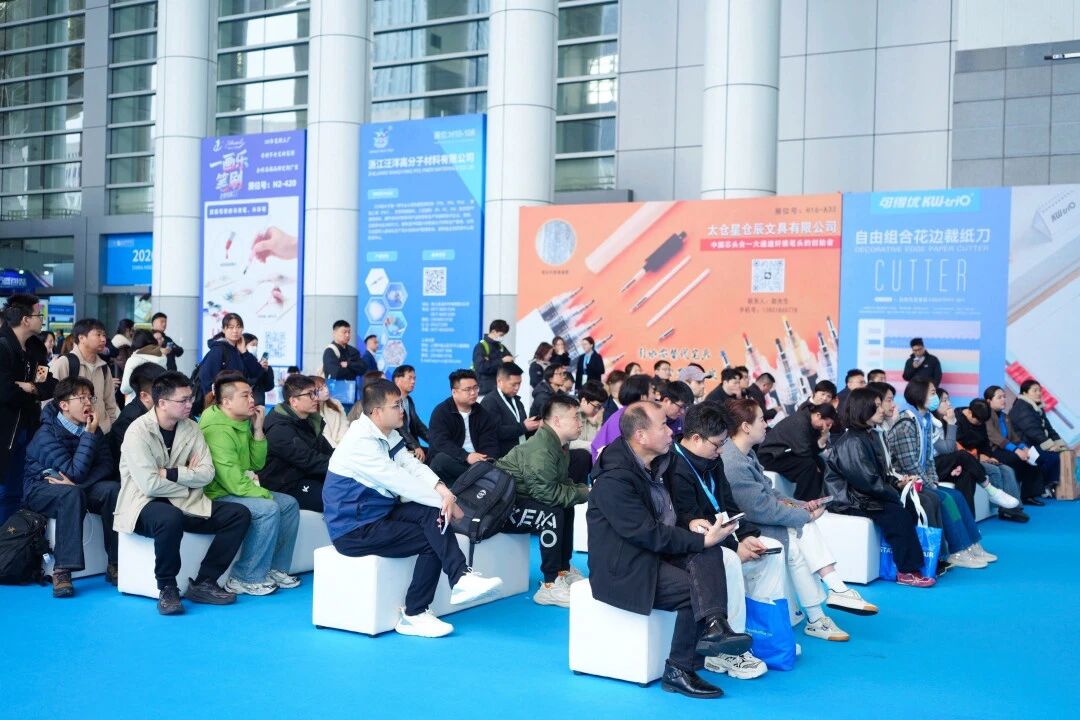
When carbon-based paper and ink meet silicon-based computing power, and when a thousand-year-old culture of books and writing connects to the interfaces of artificial intelligence—the silicon-based era has arrived with unstoppable force. How should the book and stationery industry embrace change and reshape its DNA?
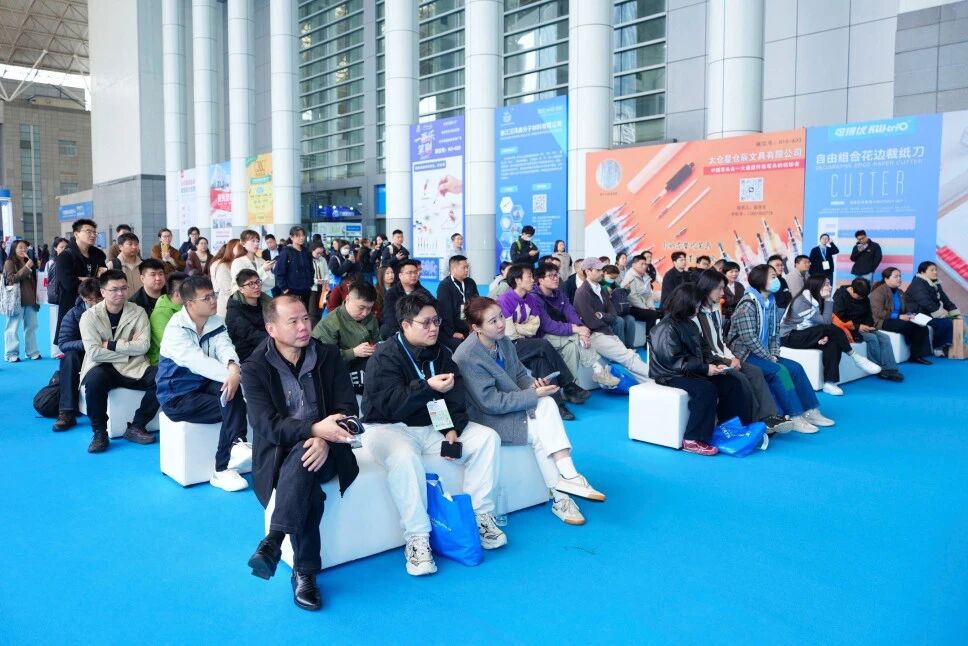
At the 2026 Ningbo International Stationery Fair, focused on industrial transformation, the concurrent event themed "The Book and Stationery Industry in the Silicon-Based Era" featured three consecutive keynote speeches by industry leaders, offering clarity and direction to practitioners navigating uncertainty.

Dedaration: Some texts and images in this article are sourced from enterprises and online platforms. lf copyright issues are involved please contact us to delete.

 19
19